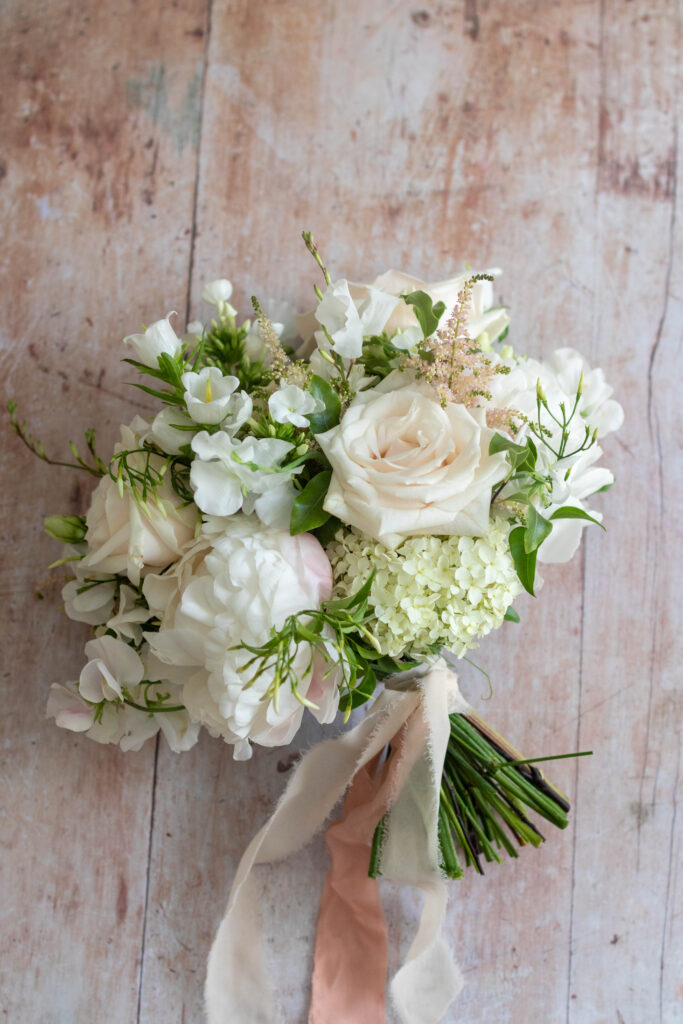
A Transparent Guide for 2026 Weddings
Planning your wedding flowers can feel overwhelming — especially when you begin researching costs online.
A quick search might suggest that wedding flowers cost anywhere between £500 and £1,500. While that may apply to very small celebrations or personal flowers only, it often doesn’t reflect the reality of full-service wedding floral design in the UK.
In this guide, I want to offer genuine clarity. No gatekeeping, no inflated promises — simply an honest look at what shapes floral investment and what most couples are realistically spending for bespoke wedding flowers in 2026.
What Is a Realistic Budget for Wedding Flowers in the UK?
For full-service bespoke wedding florals, most couples in 2026 are investing between:
£2,500 – £6,000+
Larger-scale celebrations with multiple installations, statement ceremony designs or marquee transformations often exceed £8,000–£10,000.
Smaller intimate weddings or those focusing purely on personal flowers may fall below this range, but once installations, ceremony styling and reception tables are included, the investment increases accordingly.
As with catering, photography or venue hire, floral design is both a product and a service — and understanding that distinction is key.
Why Do Wedding Flowers Cost What They Do?
Wedding floristry is far more involved than simply purchasing flowers and arranging them the morning of your wedding. It is a design-led, labour-intensive process that unfolds over weeks and often days of preparation.
1. The Flowers Themselves
Flowers are living, seasonal products — and their availability and cost are influenced by far more than just your wedding date.
Many premium blooms are sourced through specialist wholesalers and growers in the UK and abroad, including Holland, Italy and other parts of Europe. Prices fluctuate weekly depending on weather conditions, crop yields, transportation costs and global demand.
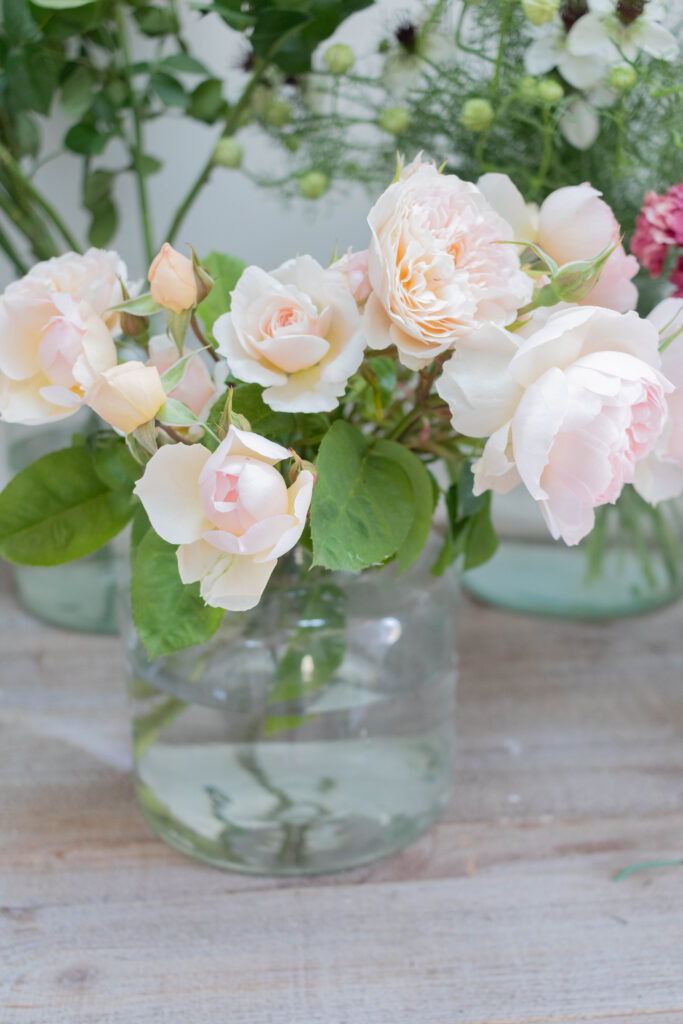
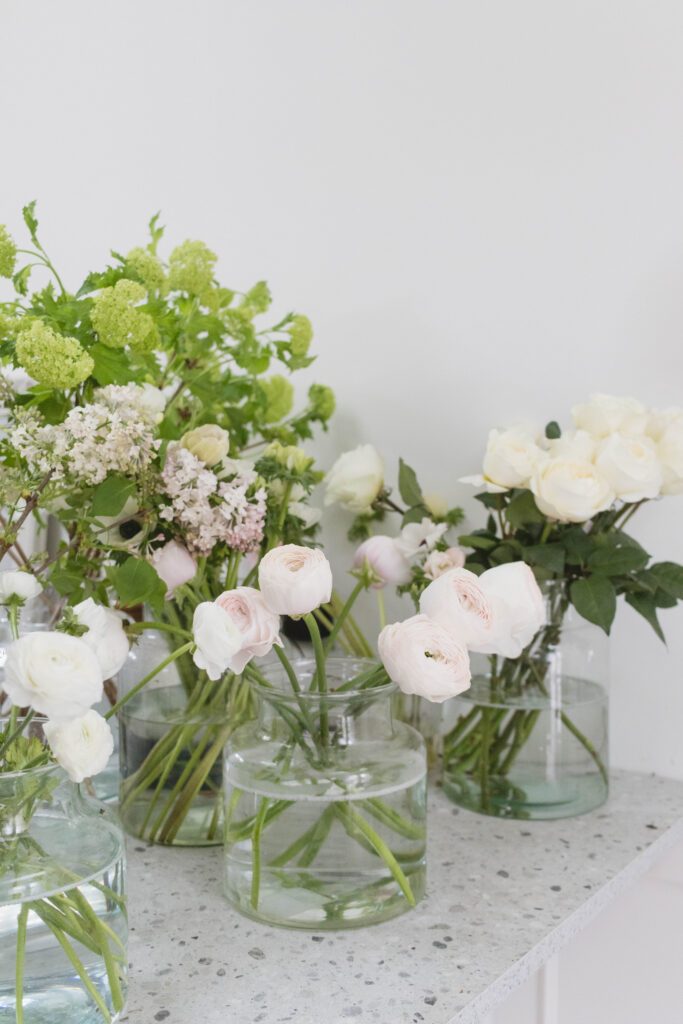
Seasonality plays a significant role. Flowers that are naturally abundant in summer are more accessible than those requiring specialist importing — and some simply aren’t available outside their natural growing window. For example, dahlias in August are plentiful, whereas in early spring they are simply not in season.
However, seasonality is only part of the picture.
Global Supply & Peak Floral Dates
The flower market is also heavily influenced by international demand.
Major floral holidays such as: Valentine’s Day, International Women’s Day, Mother’s Day and Christmas create huge spikes in global flower purchasing.
Mother’s Day in the UK falls on a different date to Europe, the USA and Australia — meaning wholesalers often experience multiple waves of demand within a short period of time. These international peaks directly impact wholesale prices across the market.
Even if your wedding is not near a UK holiday, global demand can still affect availability and cost.
Because flowers are traded internationally, pricing is not localised — it’s part of a global supply chain.
This is one of the reasons wedding flower costs can vary significantly depending on your date and the wider market conditions at that time.
2. The Design Process
Before a single stem is ordered, there is significant design work taking place.
This includes:
- Initial consultations
- Proposal writing and itemised quotations
- Mood boards and design planning
- Communication with venues and planners
- Detailed scheduling and logistics
This stage ensures your flowers feel cohesive, considered and aligned with your venue and overall aesthetic.
Floral design is not simply decorative — it shapes atmosphere, enhances architecture and frames key moments throughout your day.
3. Preparation and Conditioning
Once flowers arrive, they must be properly conditioned to ensure they look their best on your wedding day.
This involves:
- Processing each stem
- Hydrating and feeding
- Removing excess foliage
- Monitoring temperature and storage
Large weddings may involve hundreds — sometimes thousands — of stems. Preparation can take several full days prior to installation.
4. Mechanics and Installation
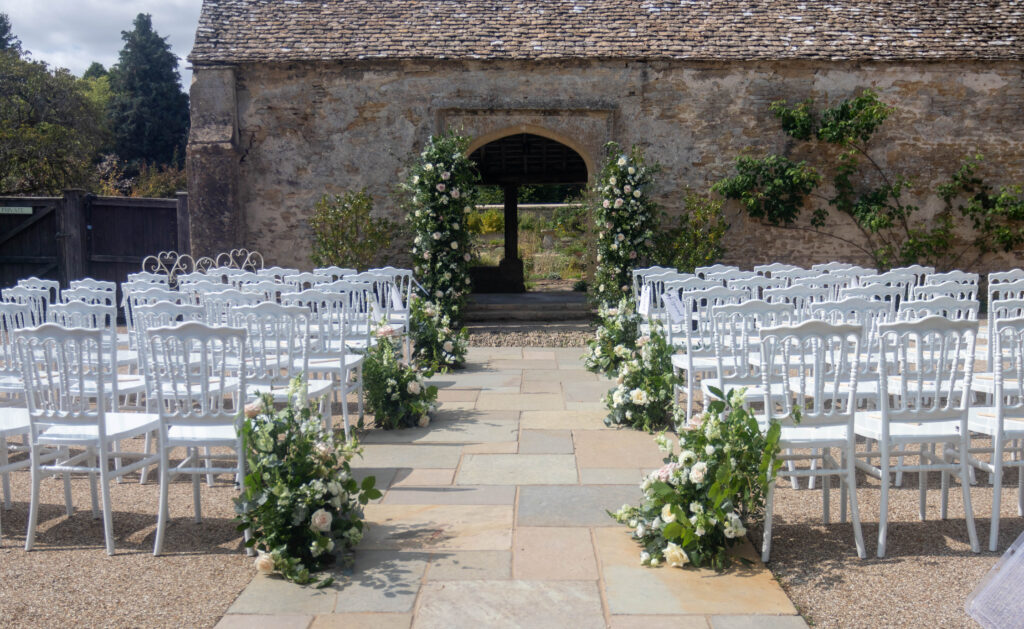
When couples see dramatic ceremony arches, meadow aisles or suspended floral installations on Pinterest, what often isn’t visible is the structure behind them.
Installations require:
- Structural frameworks
- Professional mechanics
- Safe construction methods
- On-site setup time
- Often a team to install and dismantle
A broken arch, for example, may take many hours to construct and install safely. Large-scale designs often require ladders, equipment, transport and multiple team members.
This is where the difference between “flowers” and “floral design” becomes clear.
5. On-the-Day Styling and Takedown
Full-service wedding floristry typically includes:
- Delivery
- Styling of ceremony and reception spaces
- Careful placement of each arrangement
- Repurposing ceremony flowers for the reception (where possible)
- Late-night collection and dismantling
This ensures your wedding flows seamlessly and that your venue is left as required.
It’s not just about how your flowers look — it’s about how the day feels.
What Do Different Budgets Look Like?
Understanding scale can be helpful when planning your investment.
£1,000–£2,000
This budget typically covers personal flowers only, such as:
- Bridal bouquet
- Bridesmaids’ bouquets
- Buttonholes
- A handful of small reception arrangements
Large installations or ceremony features are usually not achievable within this range.
£2,500–£4,000
This is where many full-service weddings begin.
Often includes:
- Bridal party flowers
- A ceremony focal feature (urns, meadow aisle or statement backdrop)
- Reception centrepieces
- Professional setup and repurposing
This level allows for cohesive styling across both ceremony and reception.
£5,000+
This budget allows for larger-scale impact, such as:
- Broken or full floral arches
- Multiple ceremony features
- Statement top table designs
- Layered reception styling
- Marquee transformations
Here, florals become a defining visual element of the wedding.
Why Online Averages Can Be Misleading
Some wedding directories and planning websites suggest average floral budgets of £1,000–£1,500.
While this may reflect small-scale weddings or minimal floral designs, it often does not account for full-service floral design, installation and styling.
Wedding floristry is a skilled creative profession. Investment reflects not just the flowers themselves, but the expertise, experience, time and care involved in delivering them beautifully.
Comparing it to supermarket flower pricing or small-scale arrangements can create unrealistic expectations.
Transparency is important — but so is context.
How to Decide Where to Prioritise Your Floral Budget
Rather than asking “How little can we spend?”, a more helpful question is:
Where will flowers have the most impact?
Consider:
- Where will guests spend the most time?
- Which spaces will feature heavily in photographs?
- Do you want ceremony impact, reception atmosphere — or both?
- Is your venue naturally decorative, or does it need enhancing?
For some couples, investing in a dramatic ceremony installation creates unforgettable impact. For others, it’s layered tablescapes and candlelight that transform the evening reception.
There is no single “right” answer — only what feels aligned with your priorities.
Final Thoughts
Wedding flowers are not simply decorative items to tick off a checklist. They are carefully designed, thoughtfully sourced and professionally installed elements that shape the atmosphere of your day.
Understanding what shapes the cost allows you to plan confidently and allocate your budget intentionally — without surprises.
If you would like to explore bespoke wedding florals further, you can download my Wedding Floral Guide or enquire directly to begin the conversation.